FreshUp
FreshUp is a gamified hygiene app designed to help pre-teens build consistent self-care habits. By combining daily task tracking, approachable learning content, and a virtual pet companion, FreshUp turns routine-building into a playful care experience.
Role
Designer & researcher
Timeline
4 months (2025 - 2026)
Skills
Visual design / UX design
Target audience
Pre-teen, ages 10 - 13
Awkward learning
Problem
Hygiene is often treated as something everyone naturally learns, but the reality is more complicated. Pre-teens are beginning to take ownership of their hygiene tasks, yet guidance can be inconsistent, embarrassing to ask for, or difficult to turn into daily routines.
Hypothesis
A gamified companion app will help keep the attention of pre-teen users while providing education on hygiene.
Looking into hygiene
Research
To understand how hygiene habits are learned, maintained, and what tools already existed, I combined retrospective interviews, secondary research, and competitive research,
Interviews
Interviewed 5 young adults ages 19 - 21 about how they learned hygiene between ages 10 - 13, what felt confusing, and what would have helped.
Secondary research
Looked into hygiene behavior and gamification research to a the problem space and validate the use of rewards, feedback, and habit loops.
Competitive audit
Reviewed hygiene, habit-tracking, and companion apps to compare onboarding, rewards, reminders, accessibility, tone, and engagement patterns.
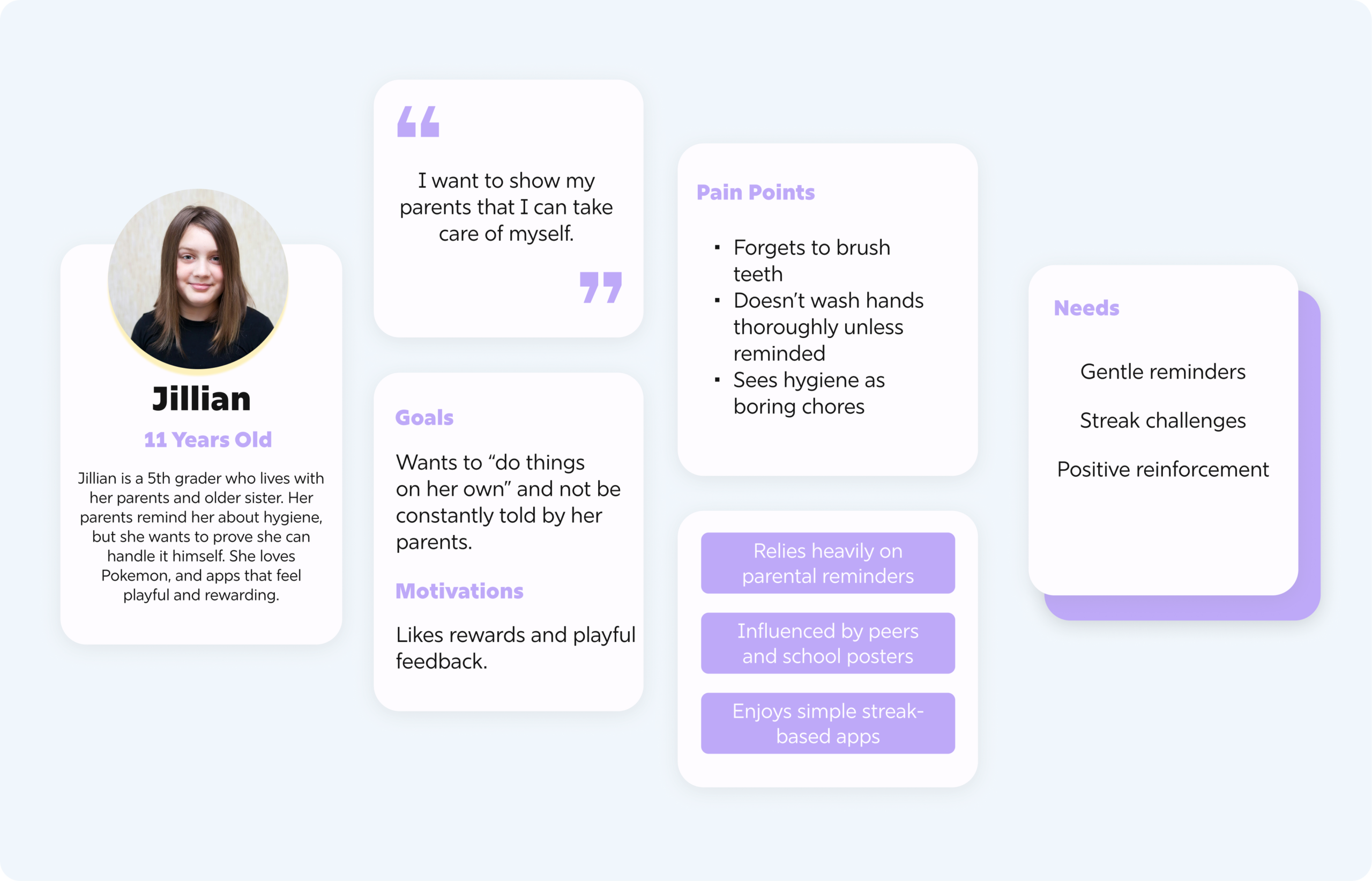
User persona
From research to design
Insights
Insight
Design decision
Product feature
1. Hygiene learning is inconsistent and often uncomfortable to ask about.
Provide clear, approachable guidance. Help users learn without feeling embarrassed or called out.
Learn / Explore gives users access to simple hygiene articles and tips.
2. The harder challenge is consistency, not just knowledge.
Make routines visible and repeatable. Build habits overtime over overwhelming users with information.
Home + Task List helps users view daily hygiene tasks, check off routines, and track progress.
3. Accountability is more motivating when it feels caring and rewarding.
Connect completed routines to emotional feedback, rewards, and visible progress.
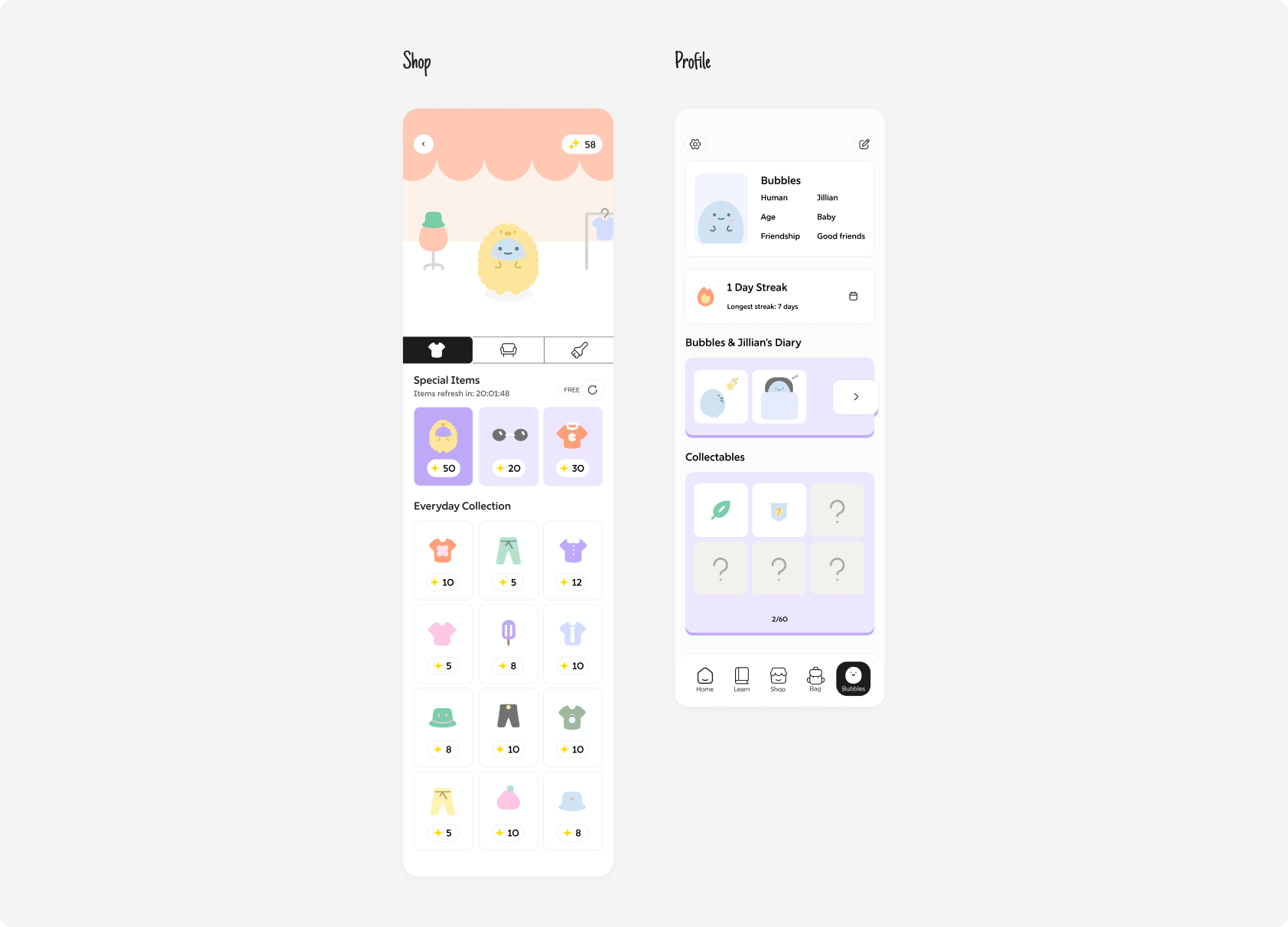
Pet + Happiness Points + Shop turn hygiene tasks into acts of care. Users complete tasks, earn points, help their pet feel clean and happy, and unlock rewards.
4. Pre-teens need autonomy, privacy, and an age-appropriate tone.
Product shouldn’t be too childish, clinical, or parent-controlled. Users can make their own routines while still receiving structure.
Add Task + Profile + Visual System let users customize routines, view progress, and build a relationship with their pet in a soft, playful interface.
Main interaction loop
User flow

Complete hygiene tasks

Earn happiness points

Care for pet

Return tomorrow

Complete hygiene tasks
Designing the companion
Core feature
The companion is the emotional center of FreshUp’s routine-building experience.
Purpose
Turns hygiene tasks into acts of care, making routines feel more rewarding and less like chores.
Behavior
Responds to user consistency by becoming cleaner, happier, and more expressive.
Design requirements
Needed to be cute, easy to animate, and flexible enough for clothing, accessories, and customization.
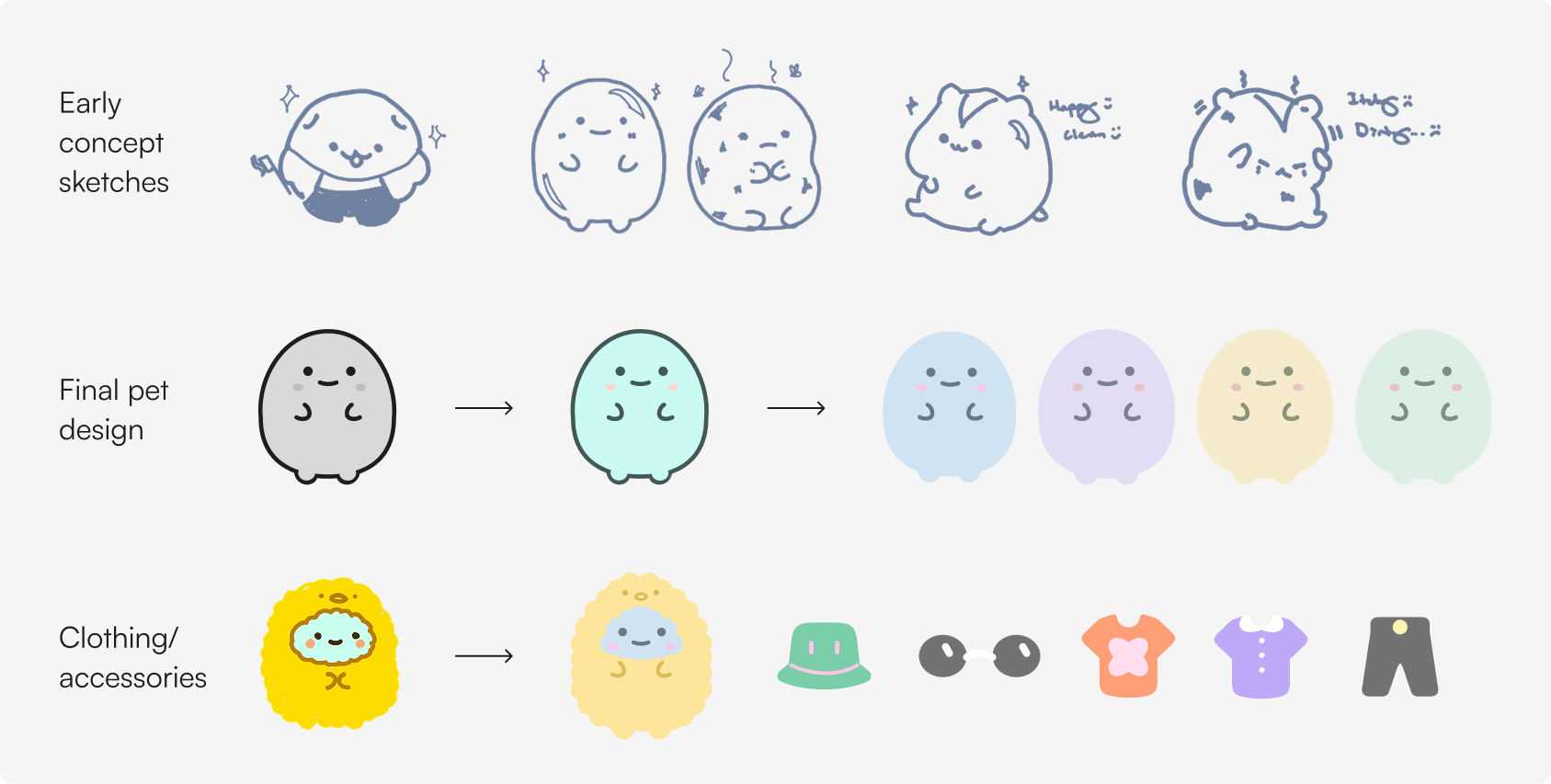
Early concepts & design decisions
Design process
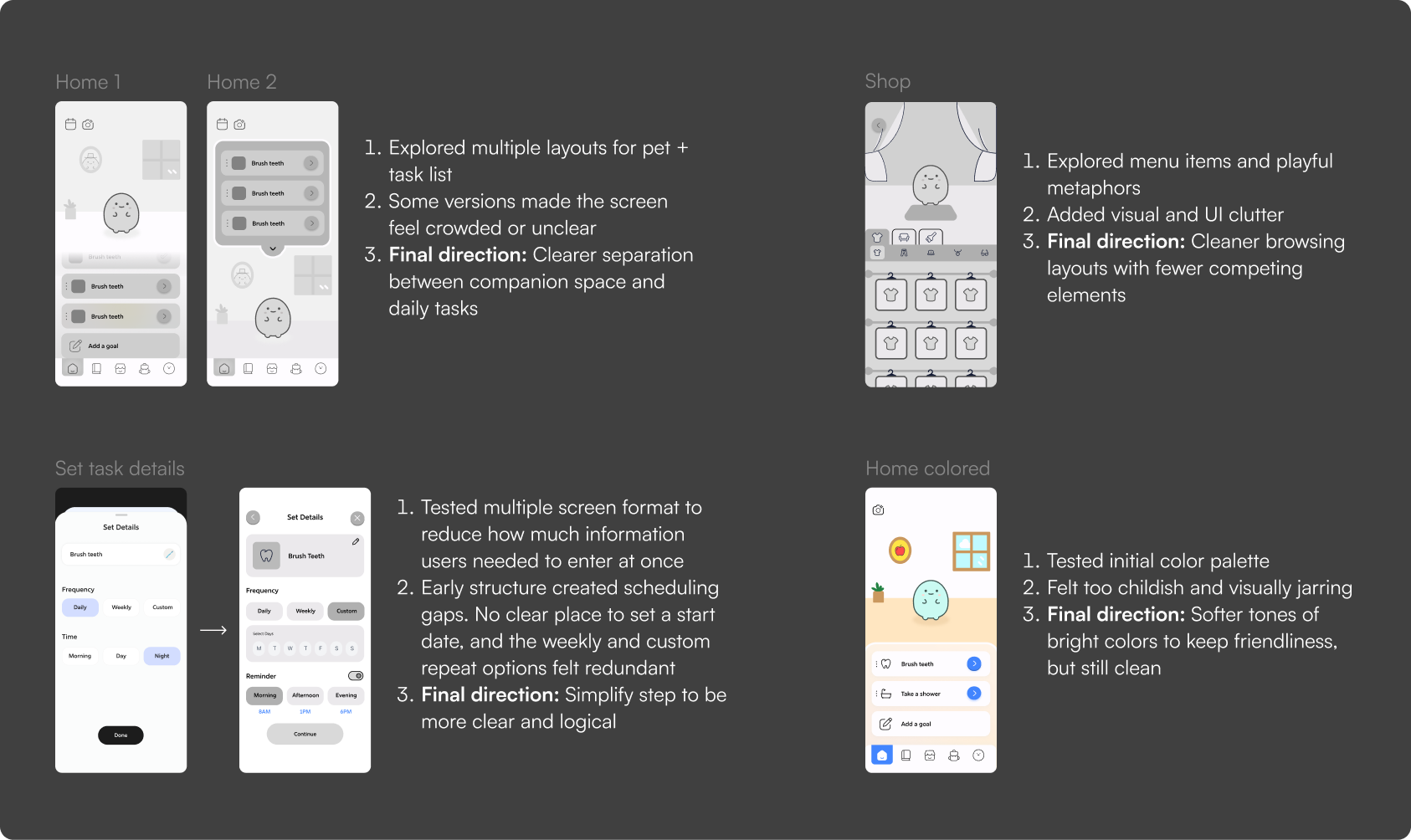
Visual design
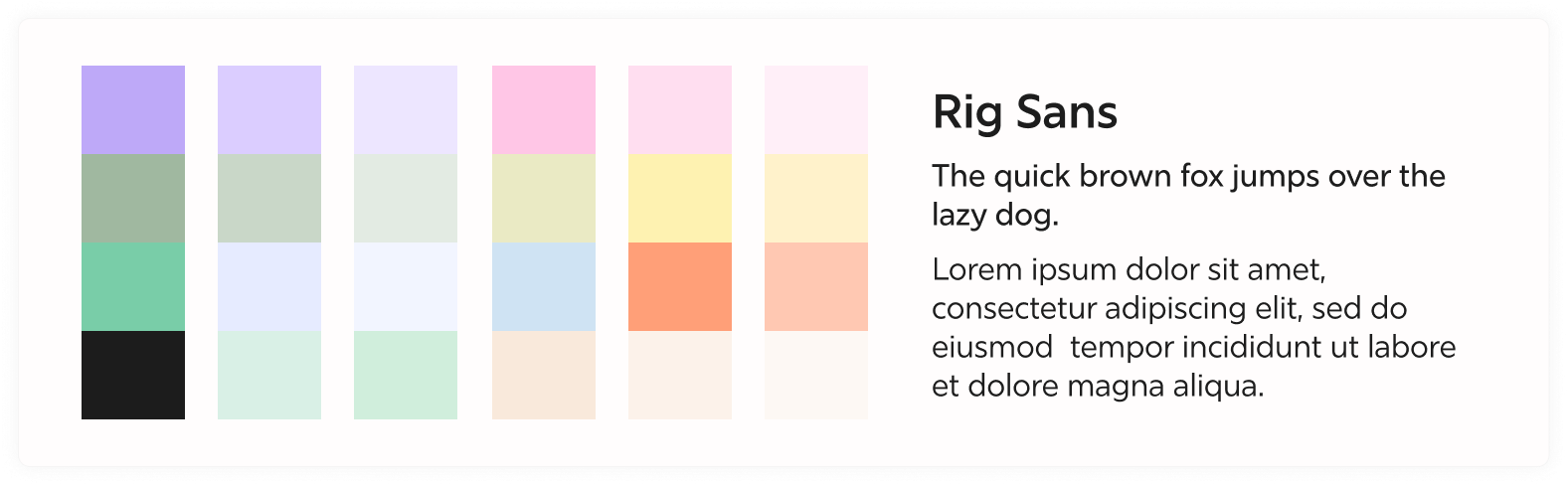
Color palette & typography
Final designs
Final design
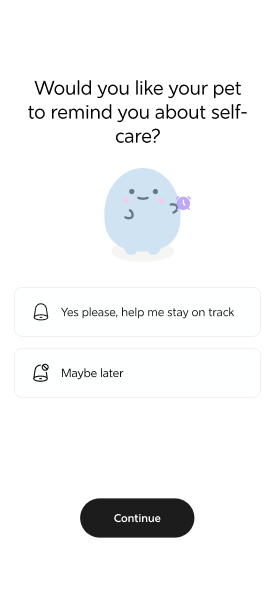
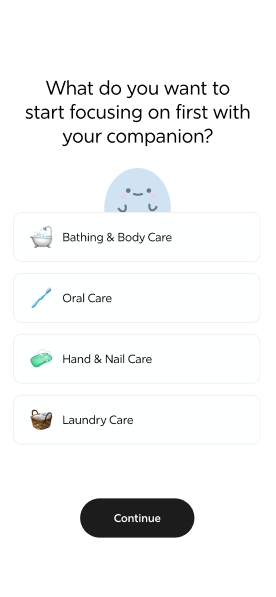
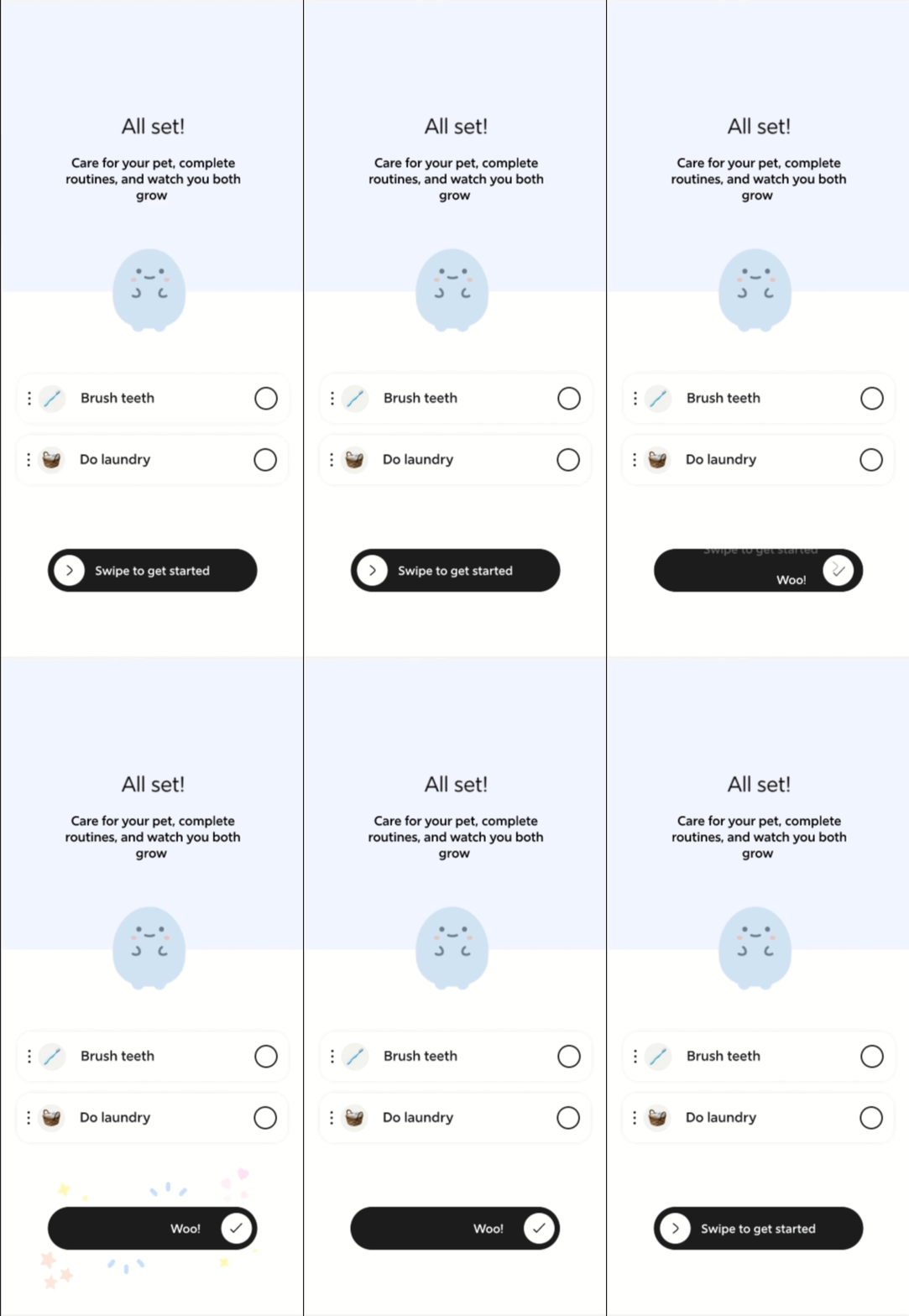
Onboarding
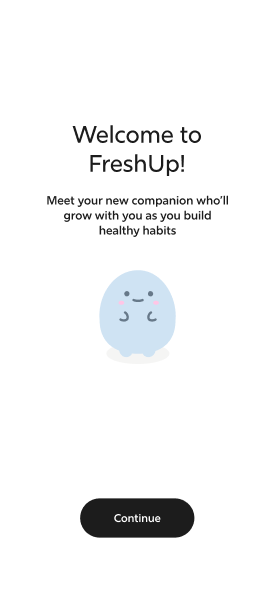
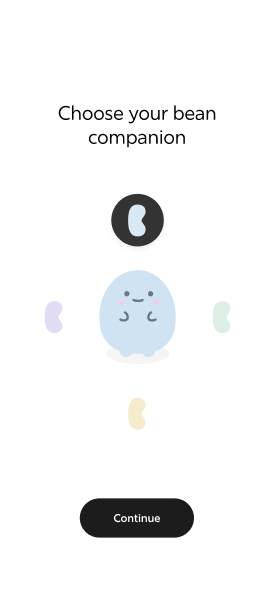
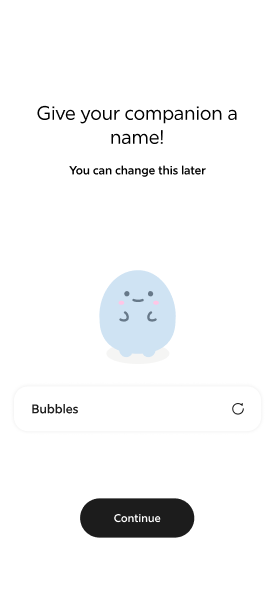
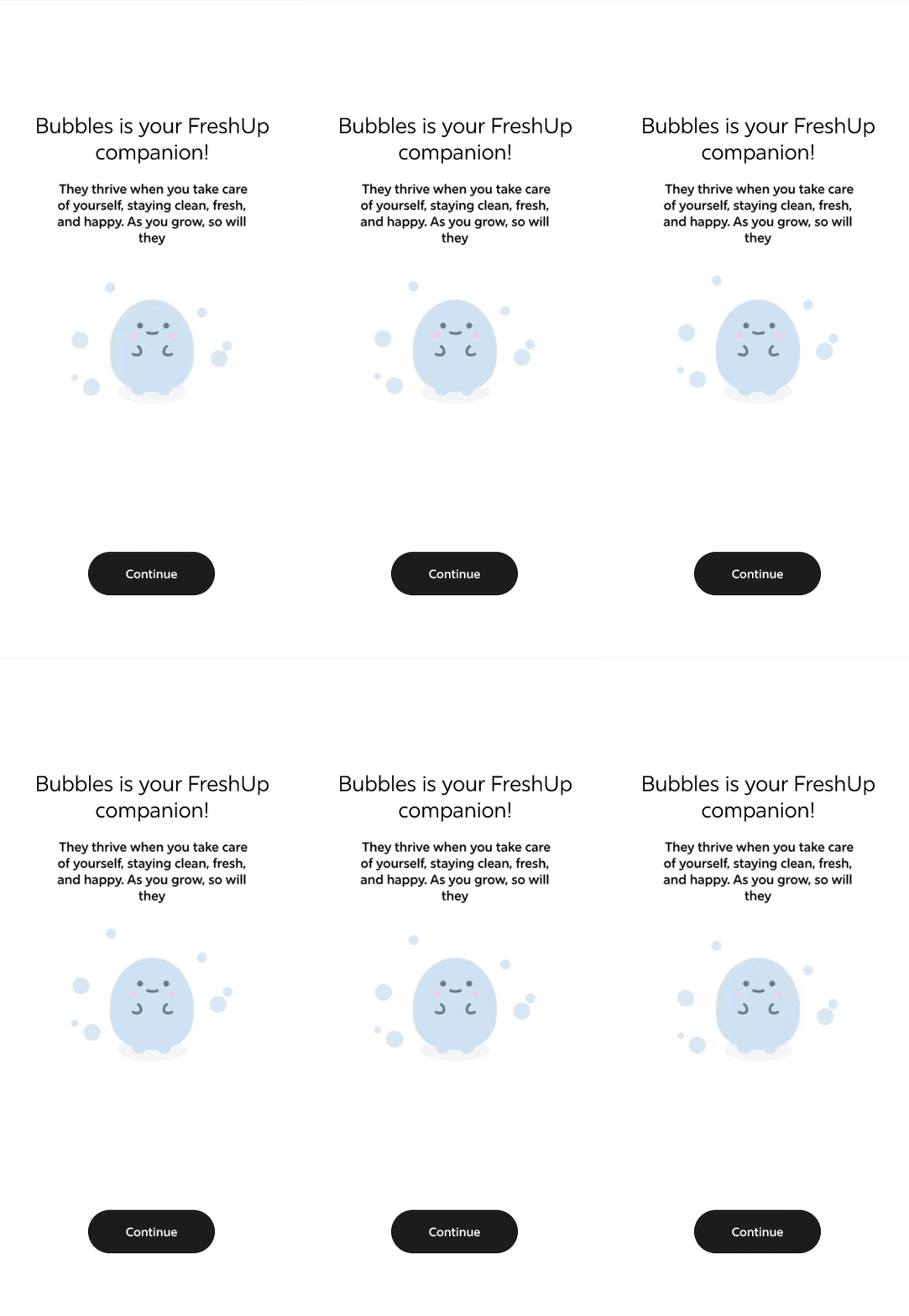
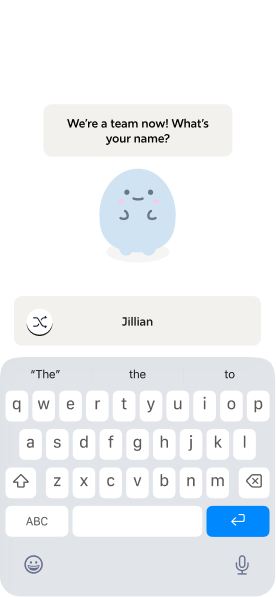
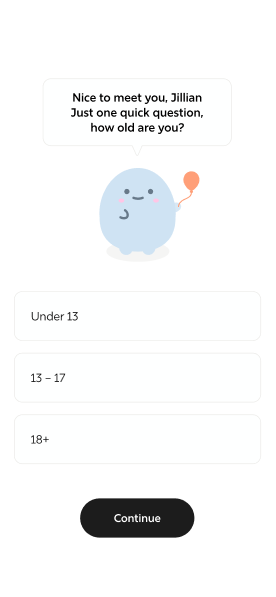
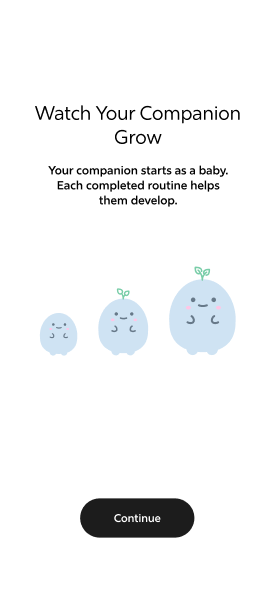
Focuses on building an immediate connection with the companion and introducing the connection between hygiene care and companion growth.
Onboarding
1
2
3
4
5
6
7
8
9
10
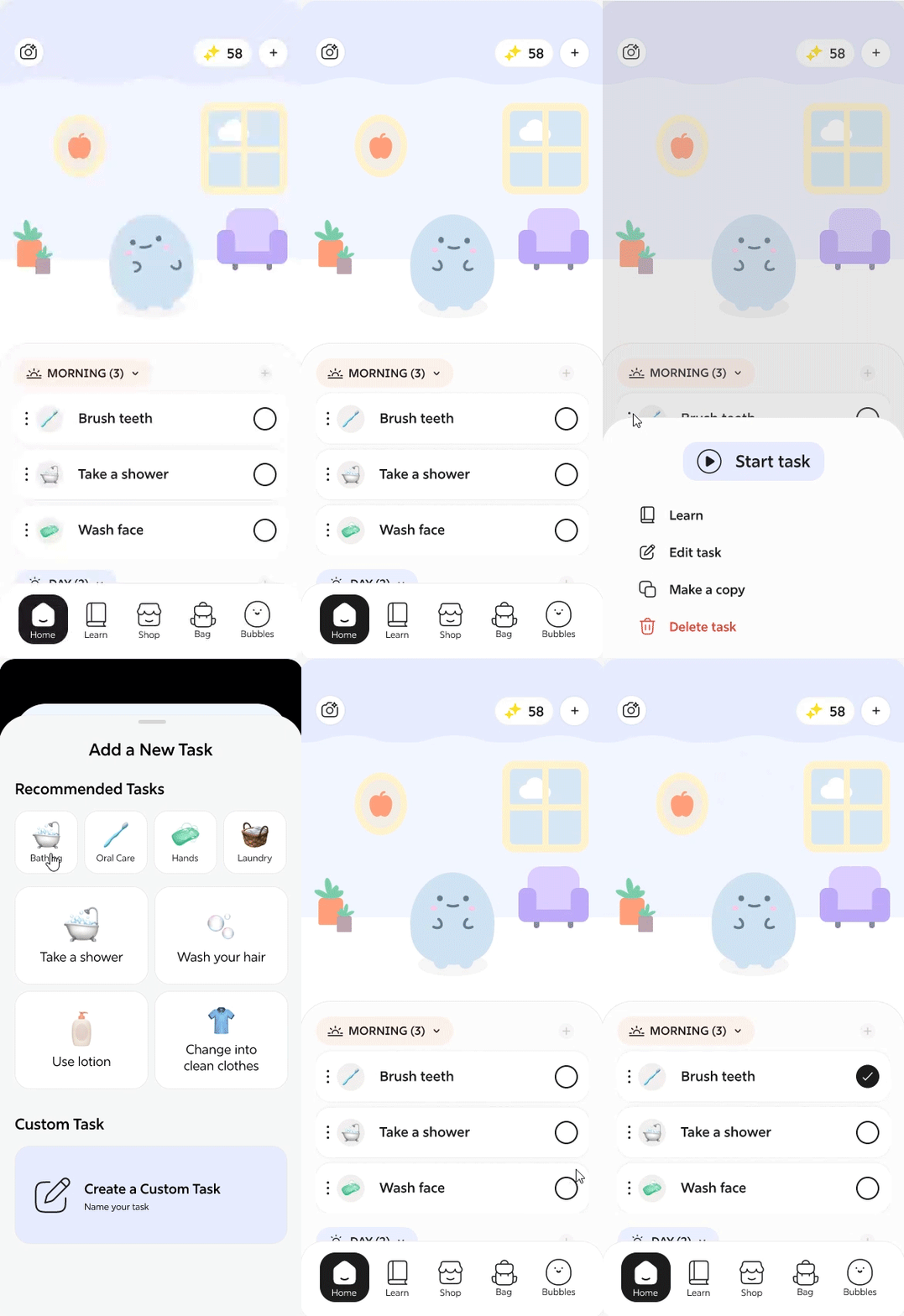
Home: a shared space for routine and care
The home screen is the center of FreshUp’s daily experience. Users can view their hygiene tasks, check off completed routines, track Happiness Points, and see their companion in the same space.
Home
Read a learning article
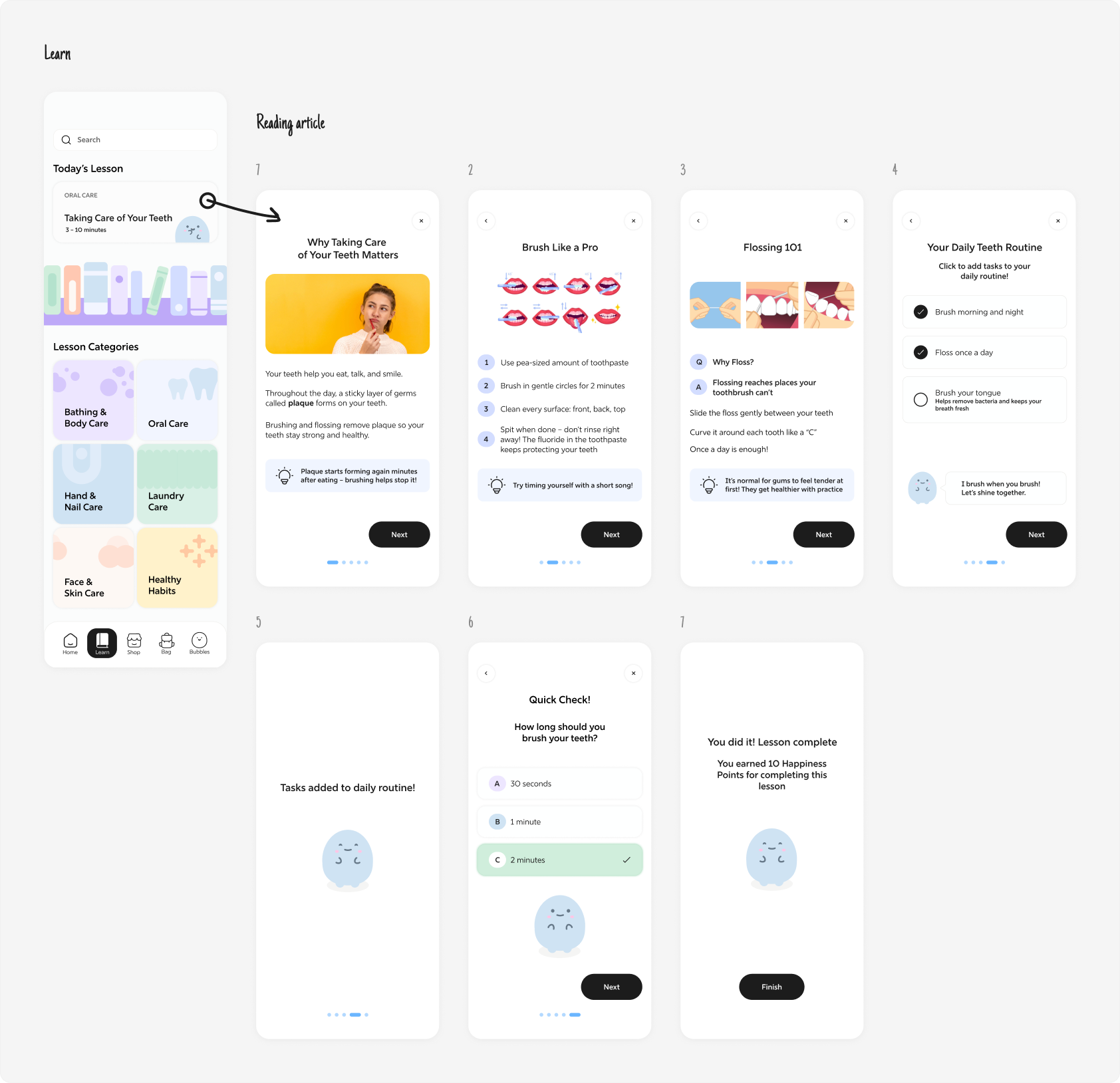
The Learn section helps users explore hygiene topics through short, easy-to-read articles. Completing an article earns Happiness Points, connecting learning back to FreshUp’s reward and companion-care loop.
Supportive screens
How to retain users?
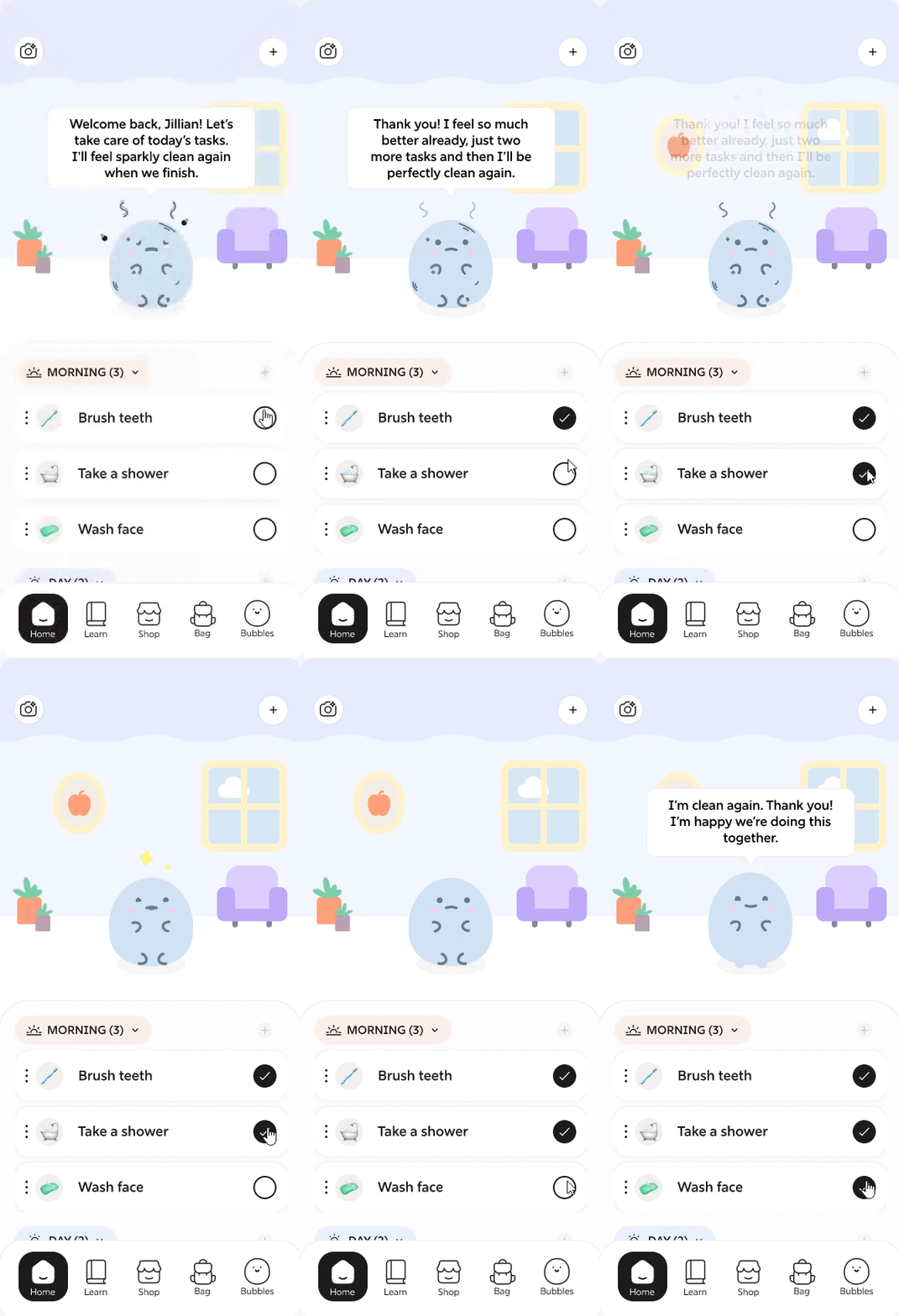
If the user is gone for a prolonged period of time, their FreshUp companion will reflect that by becoming dirty. To freshen them up, the user will have to complete personal hygiene tasks, which in turn cleans their companion.
Returning user cleaning their companion
Experimental AR add-on
I built a working AR companion prototype to explore how FreshUp’s pet could extend beyond the main app. Since research supported the companion as a motivating part of the habit loop, I wanted to see whether placing the pet in the user’s real environment could make completing hygiene tasks feel more playful and present. It was fun, but needed a lot more work to be viable.
AR task timer
Prototype testing
Research
To gather feedback, FreshUp was tested with one participant in the target age range. The participant moved through the full prototype, including onboarding, adding and completing tasks, reading a learning article, using rewards, and a return-user scenario where the companion appeared dirty after time away.
Limitation
This test was limited to one participant, and I was not able to observe the session in person or make changes afterward due to the project timeline. Because of this, I used the feedback as an early signal for future iteration rather than conclusive evidence.
Participant & setup
Age:
11
Prior habit app experience No
Testing format:
Advisor-moderated prototype test
Scope:
Full app flow + return-user scenario
Goal:
Understand whether the experience felt clear, engaging, and age-appropriate
My concerns
Core loop clarity
Could the user understand the relationship between tasks, rewards, and companion care?
Companion motivation
Would the pet encourage return visits without feeling guilt-based?
Task and reward flow
Did completing tasks and earning Happiness Points feel understandable?
Age-appropriate engagement
Did the app feel fun, useful, and easy to follow for a target-age user?
Feedback & takeaways
Easy to understand
The participant described the app as “quite fun and easy to use.”
Customization and tasks stood out
Selected customization and tasks as the features they liked most.
Return state felt motivating
After the return-user scenario, the participant said they felt motivated and wanted to continue using the app.
Companion supported re-engagement
The participant said they liked the companion and that it made the routine more fun to follow.
Positive early signal
They said the app would help them remember to take care of themselves and that they would use it in real life.
Reflection
What I learned
FreshUp began as a broad hygiene education concept, but became stronger once I narrowed the focus around habit-building. Centering the experience on a simple loop — complete routines, care for a companion, and return over time — helped me make clearer product decisions.
Looking back, I wish I had tested more throughout the process, especially before moving from wireframes into high-fidelity visuals and animation. Earlier testing would have helped me catch usability issues sooner and better understand how users interpreted the core flows.
I also wish I had gone deeper into the companion relationship and reward system. With more time, I would explore richer pet interactions, long-term progression, and more meaningful ways for users to feel connected to their companion.
This project pushed me creatively and technically, from prototyping in Figma to experimenting with animation workflows and AI-assisted frame generation. It also made me think more critically about designing for pre-teens: they are old enough to want independence, but still young enough to need support. FreshUp showed me how meaningful this audience can be, while also reminding me to question how digital products should responsibly fit into children’s lives.
Fin.